September 1, 2026
Exploring the prevalent myths around oral wellness reveals why debunking them is crucial for maintaining a resilient, healthy smile. Misconceptions often lead to improper routines that quietly compromise hygiene and overall physical well-being. By separating widespread fact from fiction, individuals empower themselves to take far better care of their teeth and gums. Partnering with experienced family dentists allows patients to navigate these common misconceptions and establish accurate knowledge for lifelong oral care.
Unveiling the truth empowers you to make fully informed decisions regarding your teeth, gums, and bodily wellness. Many people fall victim to widespread rumors regarding brushing habits, sugar consumption, and mandatory checkups. Addressing these misunderstandings directly paves the way to proactive, evidence-based hygiene routines. Working alongside trusted family dentists ensures that your daily home regimen is built on solid facts rather than outdated folklore.
Furthermore, taking a proactive approach to your daily hygiene routine helps prevent small issues from transforming into complex procedures later on. When patients understand the actual biological mechanisms occurring inside their mouths, they can build habits that genuinely protect their tooth structure. Education remains the strongest tool in modern preventative care, helping families stay clear of avoidable treatments.
Debunking Cavity Causes
It is a common belief that sugar is the sole villain in the battle against cavities. However, the real culprits are the bacteria residing naturally in our mouths. These bacteria feed on residual sugars and produce corrosive acids that attack tooth enamel. Microorganisms such as Streptococcus mutans metabolize carbohydrates, leading to immediate acid production and rapid demineralization. Beyond sugar, acidic foods and sodas lower mouth pH directly, causing enamel erosion that cannot naturally regenerate. Plaque, a sticky film of bacteria, hardens into tartar if not removed daily, significantly worsening decay risks.
While total sugar intake matters, the frequency of consumption plays an even larger role in tooth decay. Each sugar exposure triggers an acid attack lasting about 20 minutes, meaning constant sipping or snacking causes continuous structural damage. Proper preventive measures extend far beyond simply cutting out sweets from your diet. Brushing twice daily with fluoride toothpaste, flossing correctly, and visiting family dentists regularly are essential protective steps. Saliva acts as a primary natural defense against decay by neutralizing harmful acids and remineralizing delicate surfaces.
According to Colgate, the mouth can generate up to half a gallon of saliva each day, adding up to about 25,000 gallons over a lifetime. This impressive fluid flow constantly washes away lingering food debris, restores minerals, and protects outer enamel layers. Understanding the biological balance of saliva and bacteria helps patients adopt effective daily habits that keep cavity-causing acids at bay.
Evaluating Tooth Color
White teeth often symbolize complete oral health, but visual shade does not tell the whole structural story. Natural tooth color varies based on genetics, aging, and the natural thickness of enamel over underlying dentin. Stains from coffee, tea, red wine, or tobacco alter surface appearance without necessarily indicating deep structural decay. Conversely, a bright white smile can still harbor hidden cavities or underlying periodontitis. Relying solely on aesthetic whiteness can cause individuals to overlook essential hygiene needs.
Excessive whitening presents serious long-term risks to enamel strength and overall comfort. Overusing harsh bleaching chemicals strips essential mineral layers, leading to painful tooth sensitivity and soft tissue irritation. True health encompasses firm pink gums, fresh breath, and a clean feel after brushing. Dietary choices rich in antioxidants support tissue integrity, while adequate hydration maintains vital saliva flow for ongoing natural protection.
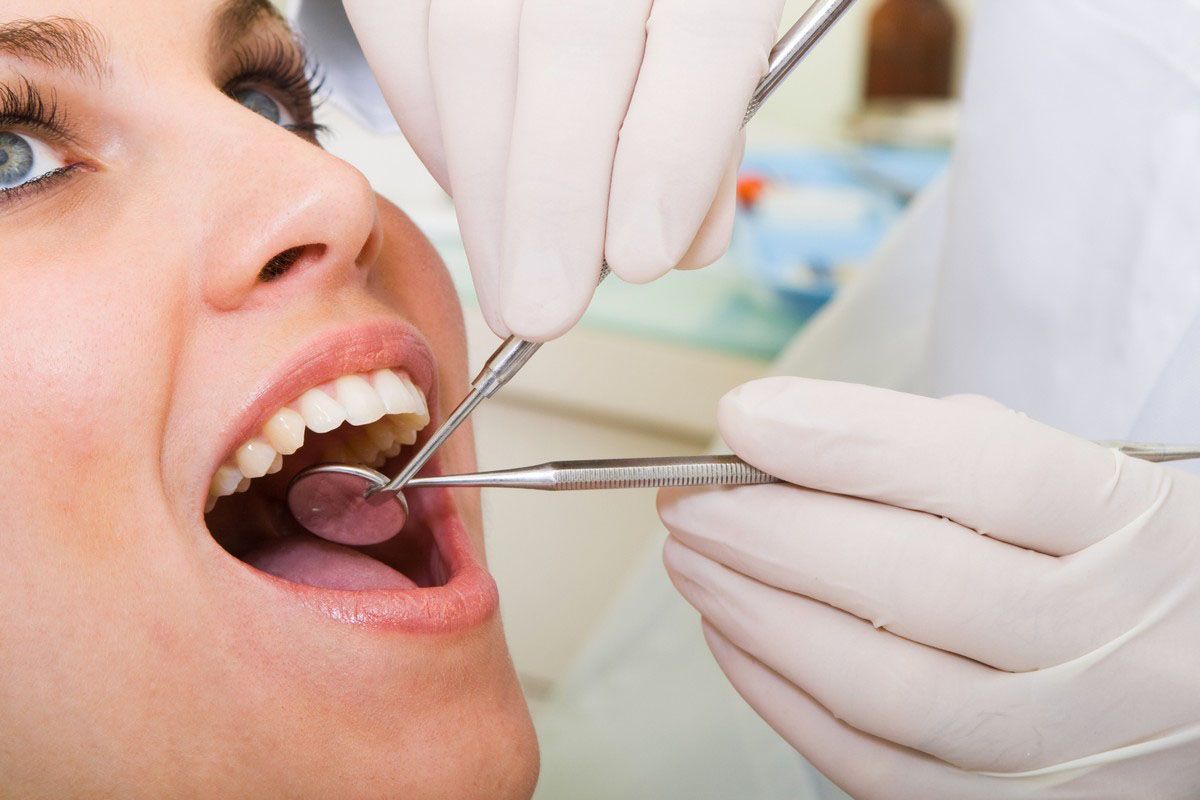
Comprehensive evaluations by professional family dentists provide clinical insights far beyond visual self-inspections in a mirror. Professional cleanings remove stubborn plaque and mineralized tartar that regular home tools simply miss. Regular checkups spot hidden decay between teeth and examine overall structural stability. Prioritizing genuine wellness over surface aesthetics guarantees that teeth remain truly strong from the inside out.
Adjusting Brushing Techniques
Brushing with extreme force is a frequent mistake driven by the false idea that scrubbing harder cleans better. Vigorous scrubbing pressure wears down protective enamel and recedes delicate gum tissue, exposing sensitive dentin underneath. Soft-bristled toothbrushes are highly recommended over medium or hard alternatives because they clean effectively without abrading surfaces. Proper technique relies on gentle, circular motions directed along the teeth and gumline for two full minutes.
Maintaining toothbrush quality is just as important as manual execution and proper motion. Brushes should be replaced every three to four months, as frayed bristles lose cleaning efficacy and harbor unwanted micro-organisms over time. Electric toothbrushes offer advanced oscillating or sonic technology designed to remove plaque efficiently while preventing excessive manual pressure. Investing in gentle, high-quality tools keeps enamel intact while ensuring thorough cleaning across every surface.
Combining correct pressure, soft bristles, and proper duration protects both hard tooth structures and soft oral tissues. Developing a gentle touch preserves natural enamel reserves and prevents micro-trauma to the delicate gums. Establishing these gentle habits early on protects your smile from self-induced wear, unwanted receded gumlines, and acute sensitivity over time.
Addressing Bleeding Gums
Bleeding gums should never be dismissed as normal, expected, or a harmless occurrence during daily hygiene routines. Bleeding typically indicates localized tissue inflammation caused by accumulated bacterial plaque along the vulnerable gumline. Early-stage gum disease, known as gingivitis, manifests as red, swollen tissues that bleed easily during brushing or flossing. Left untreated, mild gingivitis can advance to periodontitis, destroying supportive bone structures and risking permanent tooth loss.
Daily flossing serves as an indispensable defense against gum disease by removing food debris and sticky plaque from tight spaces toothbrushes cannot reach. Consistent, gentle flossing calms inflamed tissues and restores gum firmness over time. If bleeding persists despite meticulous home care, professional clinical intervention is necessary. Deep cleanings and targeted therapy clear out deep pockets of tartar to stop disease progression effectively.
Timely consultations with skilled family dentists help diagnose underlying causes of tissue irritation before permanent bone loss occurs. Early intervention mitigates chronic pain, persistent bad breath, and severe structural damage. Treating gum symptoms promptly ensures strong, reliable foundational support for your natural teeth for a lifetime.
Connecting Systemic Health
Oral health is intrinsically linked to systemic well-being across the entire human body. Research continuously demonstrates strong ties between chronic gum disease and severe cardiovascular issues, as oral bacteria enter the bloodstream to trigger systemic inflammation. Additionally, the relationship between diabetes and periodontitis is bidirectional: high blood sugar worsens oral infections, while active gum disease impairs blood glucose control throughout the body.
Maintaining clean oral tissues also protects respiratory health by preventing opportunistic bacteria from being aspirated directly into the lungs. Pregnant women must pay close attention to oral care, as natural hormonal shifts heighten inflammation, which has been linked to adverse birth outcomes. Adopting a holistic approach to body care highlights the vital role oral hygiene plays in general medical wellness.
Preventive dental checkups are fundamental to broader physical health management and disease prevention. Routine screenings detect systemic warning signs early, reducing acute medical risks and unexpected treatment expenses. Proactive care preserves comfort, saves financial resources, and optimizes lifelong health outcomes across every stage of development.
Challenging widespread misconceptions empowers individuals to take proactive charge of their overall wellness journey. Understanding the true causes of decay, the dangers of harsh brushing, and the deep connection between oral and systemic health leads to much smarter daily habits. Establishing a consistent routine built on evidence-based care secures a bright, vibrant smile for years to come. For more information about the services that we offer, reach out to our incredible team at Barrington Smiles today!