October 23, 2026
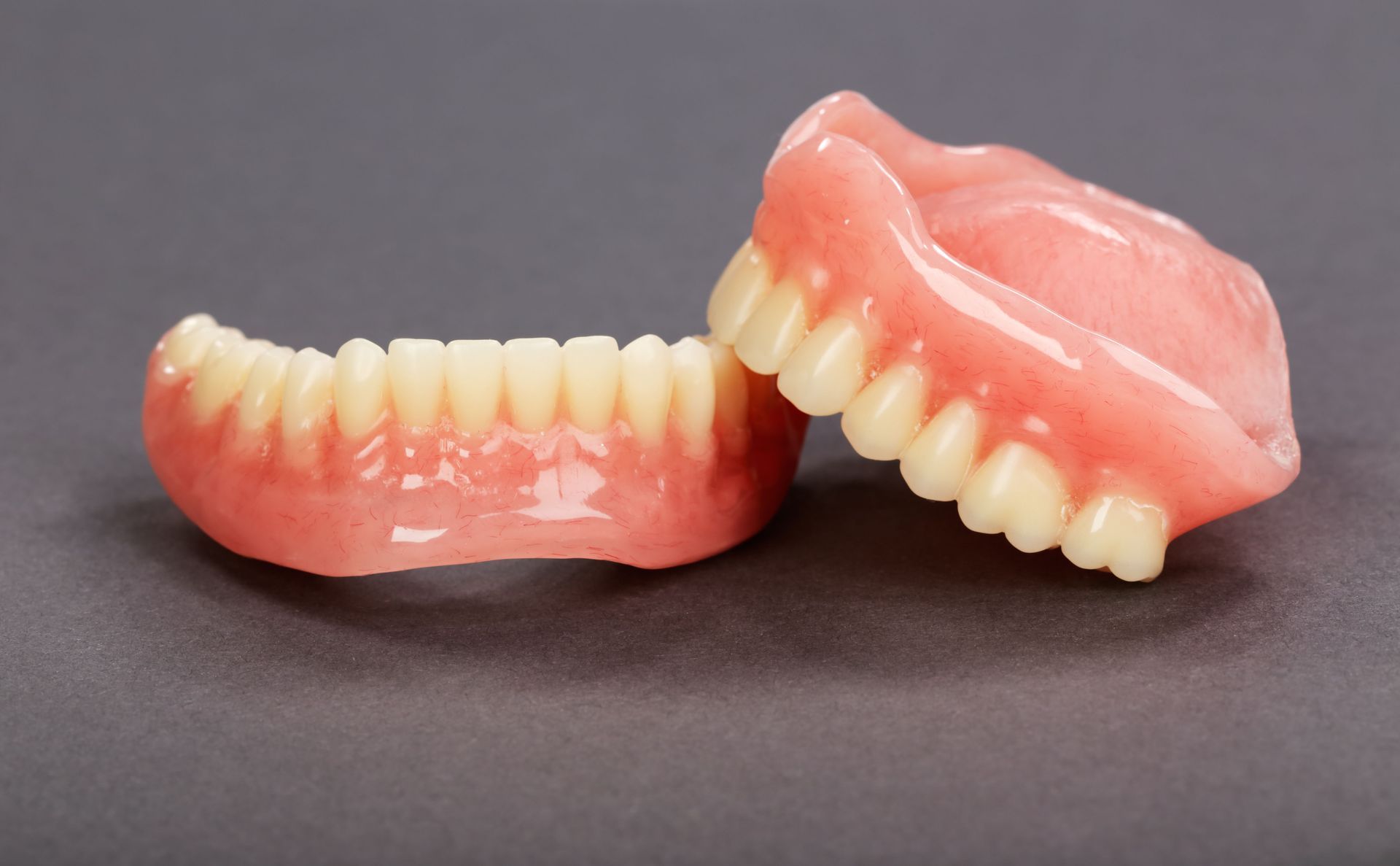
Dentures can restore the ability to eat, speak, and smile with confidence after tooth loss. But for many people, dentures that don't fit well become a daily source of frustration. Sore spots, rubbing, slipping, and irritated gums can make simple activities like eating dinner or holding a conversation uncomfortable. The good news is that discomfort isn't something denture wearers simply have to accept. Custom dentures are designed to fit the unique shape of your mouth, which can make a meaningful difference in comfort, function, and overall oral health. Understanding how a personalized fit works can help you decide whether it's time to explore a better option.
Recognizing How Common Mouth Discomfort Is
If you've been dealing with sore gums or general mouth pain, you're far from alone. According to The Weave Resource Center, more than 40% of adults have experienced mouth pain, including gum discomfort, within the past year. For denture wearers, this discomfort is often tied to fit. Ill-fitting dentures can press too hard on certain areas of the gums, shift during chewing, or trap food particles underneath. Over time, these issues can lead to inflammation, sores, and even infections. Many people assume this is just part of wearing dentures, but persistent pain is usually a sign that something needs attention.
Understanding How Custom Dentures Differ
Not all dentures are made the same way. Some lower-cost or prefabricated options follow general sizing and may require significant adjustments to fit properly. Custom dentures, on the other hand, are crafted based on detailed impressions and measurements of your mouth. Your dentist evaluates the shape of your gums, the structure of your jawbone, your bite, and even the way your facial muscles move. This information guides the design of a denture that rests evenly against your gums and works in harmony with your natural bite. The result is a more secure, comfortable fit that feels less like a foreign object and more like a natural part of your smile.
Distributing Bite Pressure Evenly
Every time you chew, your dentures transfer pressure to the gums and bone beneath them. When dentures fit poorly, that pressure tends to concentrate in a few small areas instead of spreading across the entire surface. These pressure points often become sore, red, or even develop painful ulcers. Custom dentures are designed to distribute bite force more evenly, reducing strain on any single spot. This balanced support can make chewing more comfortable and help you enjoy a wider variety of foods without wincing at every bite. Even pressure also helps reduce the risk of long-term tissue damage.
Reducing Slipping and Friction
Loose dentures can shift when you talk, laugh, or eat. Each movement creates friction against the gums, which can cause rubbing, irritation, and sore spots throughout the day. Slipping can also be embarrassing, leading some people to avoid social situations or certain foods altogether. A precise fit helps dentures stay securely in place with less movement. Many patients find they rely less on denture adhesives once they have a well-fitting set, which can make daily care simpler and more comfortable.
Protecting Gum Health
Healthy gums are essential for comfortable denture wear. When dentures don't fit properly, gaps can form between the base and the gum tissue. Food particles and bacteria can collect in these spaces, increasing the risk of inflammation, fungal infections, and bad breath. Constant irritation can also leave gums tender and more vulnerable to sores. Well-designed custom dentures sit closer to the gum line, leaving fewer spaces for debris to build up. Combined with good cleaning habits and regular dental checkups, a better fit helps keep gum tissue healthier and more resilient over time.
Supporting Natural Jaw Alignment
Your bite affects more than just your teeth and gums. When dentures don't line up correctly, the jaw may compensate by shifting into awkward positions while chewing or resting. Over time, this can contribute to jaw soreness, muscle tension, and headaches. Properly designed dentures take your bite alignment into account, helping your upper and lower jaws meet in a balanced, natural position. This alignment can ease strain on the jaw joints and surrounding muscles, adding another layer of comfort beyond the gums themselves.
Adjusting as Your Mouth Changes
The shape of your mouth doesn't stay the same forever. After tooth loss, the jawbone gradually changes over time, which can affect how dentures fit. Dentures that felt comfortable a few years ago may start to feel loose or cause new sore spots as the underlying structure shifts. Regular dental visits allow your dentist to check the fit and make professional adjustments, relines, or repairs when needed. Custom dentures can be refined over time to keep pace with these changes, helping you stay comfortable for the long term. It's important to avoid attempting adjustments at home, since filing or reshaping dentures without professional tools can damage them and make discomfort worse.
Knowing When to Seek Help
Certain signs suggest it's time to schedule a visit with your dentist. Ongoing soreness, frequent sores, difficulty chewing, clicking sounds while talking, or dentures that feel loose all point to a fit problem. You may also notice changes in your speech or find yourself avoiding foods you used to enjoy. Addressing these issues early can prevent more serious problems and help you get back to eating, speaking, and smiling comfortably. Your dentist can determine whether an adjustment, a reline, or a new set of dentures is the best solution for your needs.
Improving Speech and Confidence
Discomfort isn't always physical. Dentures that shift or click while you talk can make you self-conscious, especially in social or professional settings. Some people start speaking less or covering their mouths to avoid drawing attention to their dentures. A secure fit helps keep dentures steady so you can pronounce words clearly and naturally. When you're not worried about slipping or clicking, it's easier to relax, laugh, and enjoy conversations with friends and family. That added confidence can make a real difference in your daily life and overall well-being.
Caring for Your Dentures Daily
Good daily habits help your dentures stay comfortable and last longer. Rinsing them after meals removes food particles that can irritate your gums. Brushing them each day with a soft-bristled brush and a cleaner made for dentures helps prevent stains and bacteria buildup. Most dentists also recommend removing dentures overnight to give your gums time to rest and recover. Soaking them in a denture solution keeps them moist and helps them hold their shape. Gently cleaning your gums and tongue each day supports healthy tissue, too. These simple routines, combined with regular dental checkups, help keep your mouth comfortable and healthy.
At Barrington Smiles, we believe everyone deserves a smile that looks great and feels comfortable every day. Our team takes the time to understand your concerns, evaluate your oral health, and design custom dentures that fit the unique shape of your mouth. We focus on creating a secure, natural-feeling fit that reduces pressure points, minimizes slipping, and supports healthy gums. We also provide ongoing care, including adjustments and relines, to keep your dentures comfortable as your mouth changes over time. If you're tired of living with sore gums or dentures that don't feel right, we're here to help. Contact Barrington Smiles today to schedule a consultation and take the first step toward a more comfortable smile.