July 30, 2026
Understanding how a tooth is structured, recognizing the warning signs of infection, and knowing what to expect during treatment can help patients feel more informed about their dental care. Learning about the benefits of preserving a natural tooth also makes it easier to discuss treatment options with a dentist. Root canal services can provide an option for addressing infection while helping patients maintain their natural teeth when appropriate.
Basic Anatomy of a Tooth
Understand the Pulp Chamber and Root Canals
Inside every tooth is a pulp chamber that contains nerves, blood vessels, and connective tissue. The pulp extends through narrow pathways called root canals into each root. When bacteria reach this area because of deep decay, injury, or a crack, inflammation and infection can develop.
Support the Tooth Structures
A tooth depends on more than its visible crown to remain healthy. The periodontal ligament, surrounding bone, and gum tissue work together to hold the tooth securely in place while allowing it to withstand normal biting forces. Maintaining these supporting structures is an important part of protecting overall oral health.
Recognize the Importance of Healthy Pulp
The pulp provides nourishment while a tooth develops and contains the nerves responsible for sensing temperature and pressure. Once a tooth is fully developed, it can continue functioning without the pulp as long as the remaining tooth structure is healthy. Removing infected pulp eliminates the source of pain and infection while allowing the outside of the tooth to remain in place.
This makes root canal therapy an effective way to preserve a natural tooth whenever possible. Patients experiencing symptoms related to infection can discuss whether root canal services are appropriate for their specific situation. A dental evaluation can help identify the right approach based on the condition of the tooth.
Identify Common Causes of Tooth Damage
Deep cavities, cracked teeth, repeated dental procedures, or traumatic injuries can allow bacteria to reach the pulp. Once infection develops, treatment may be needed to prevent the problem from worsening. According to The Weave Resource Center, over 47% of U.S. adults suffer from advanced gum disease.
Recognizable Signs of Tooth Infection or Damage
Notice Persistent Tooth Pain
Ongoing tooth pain is one of the most common reasons patients seek dental care. The discomfort may range from a dull ache to sharp pain that worsens while chewing or applying pressure. Although pain medication may temporarily reduce symptoms, it does not address the underlying cause.
Observe Tooth Discoloration
A tooth that becomes noticeably darker than neighboring teeth may have experienced damage to its inner tissues. Trauma or infection can change the appearance of a tooth over time, even if pain is minimal. A dental examination can determine whether discoloration is cosmetic or related to damage within the tooth.
Detailed Process of Root Canal Treatment
Evaluate Diagnosis and Treatment Planning
Every root canal begins with a comprehensive dental examination. The dentist evaluates the tooth, reviews symptoms, and uses diagnostic imaging when necessary to determine the extent of the damage. Treatment recommendations are then discussed so patients understand what to expect before the procedure begins.
Apply Local Anesthesia
Before treatment starts, local anesthesia is used to numb the affected area and improve patient comfort. Once the tooth is numb, the dentist can perform the procedure while helping minimize discomfort throughout the appointment. Keeping patients comfortable allows the procedure to focus on removing infection and preserving the natural tooth.
Restore Tooth Strength and Function
Following root canal therapy, restoring the tooth allows it to continue functioning alongside surrounding teeth. In many cases, a crown may be recommended to strengthen teeth that have lost a significant amount of their natural structure. Completing the recommended restoration helps protect the treated tooth and support normal daily activities.
Positive Benefits of Root Canal Treatment
Relieve Tooth Pain
One of the primary goals of root canal therapy is removing the infected tissue responsible for discomfort. Once the source of inflammation has been addressed, many patients experience improved comfort as the surrounding tissues heal. Root canal services can help treat the source of infection while supporting the preservation of the natural tooth.
Treating the infection may also help prevent symptoms from becoming more severe. A timely evaluation allows a dentist to determine whether root canal therapy is the appropriate solution. Addressing concerns early can help patients explore available treatment options before additional procedures become necessary.
Preserve Natural Teeth
Saving a natural tooth whenever possible helps maintain normal chewing, speech, and bite alignment. Unlike extraction, root canal therapy preserves the existing tooth structure while removing infection from inside the tooth. Maintaining natural teeth can also help teeth remain properly positioned.
Important Considerations of Root Canal Treatment
Understand Post-Procedure Sensitivity
It is normal for some patients to experience mild tenderness or sensitivity after a root canal procedure. This temporary discomfort typically improves as the surrounding tissues heal and inflammation decreases. Following the dentist’s instructions after treatment can support a smoother recovery.
Manage Potential Complications
Like any dental procedure, root canal therapy carries some potential risks, including persistent infection or continued discomfort. These concerns can depend on the condition of the tooth and the extent of the original damage. Monitoring the treated area after the procedure helps identify whether additional care is needed.
Follow-up appointments allow the dentist to evaluate healing and recommend appropriate next steps if concerns remain. Prompt communication about ongoing symptoms helps support proper treatment planning. Patients should follow their dentist’s recommendations to help protect the treated tooth.
Consider Health Factors
Some medical conditions or medications may influence dental treatment planning. Sharing a complete medical history allows the dental team to consider factors that may affect care. This information helps ensure treatment recommendations are appropriate for each patient’s individual circumstances.
Available Alternatives to Root Canal Treatment
Explore Tooth Extraction and Replacement
If a tooth cannot be saved, extraction may be recommended to address severe damage or infection. Removing a damaged tooth eliminates the source of the problem but may create a space that affects chewing or tooth alignment. Replacement options may help restore function and appearance after extraction.
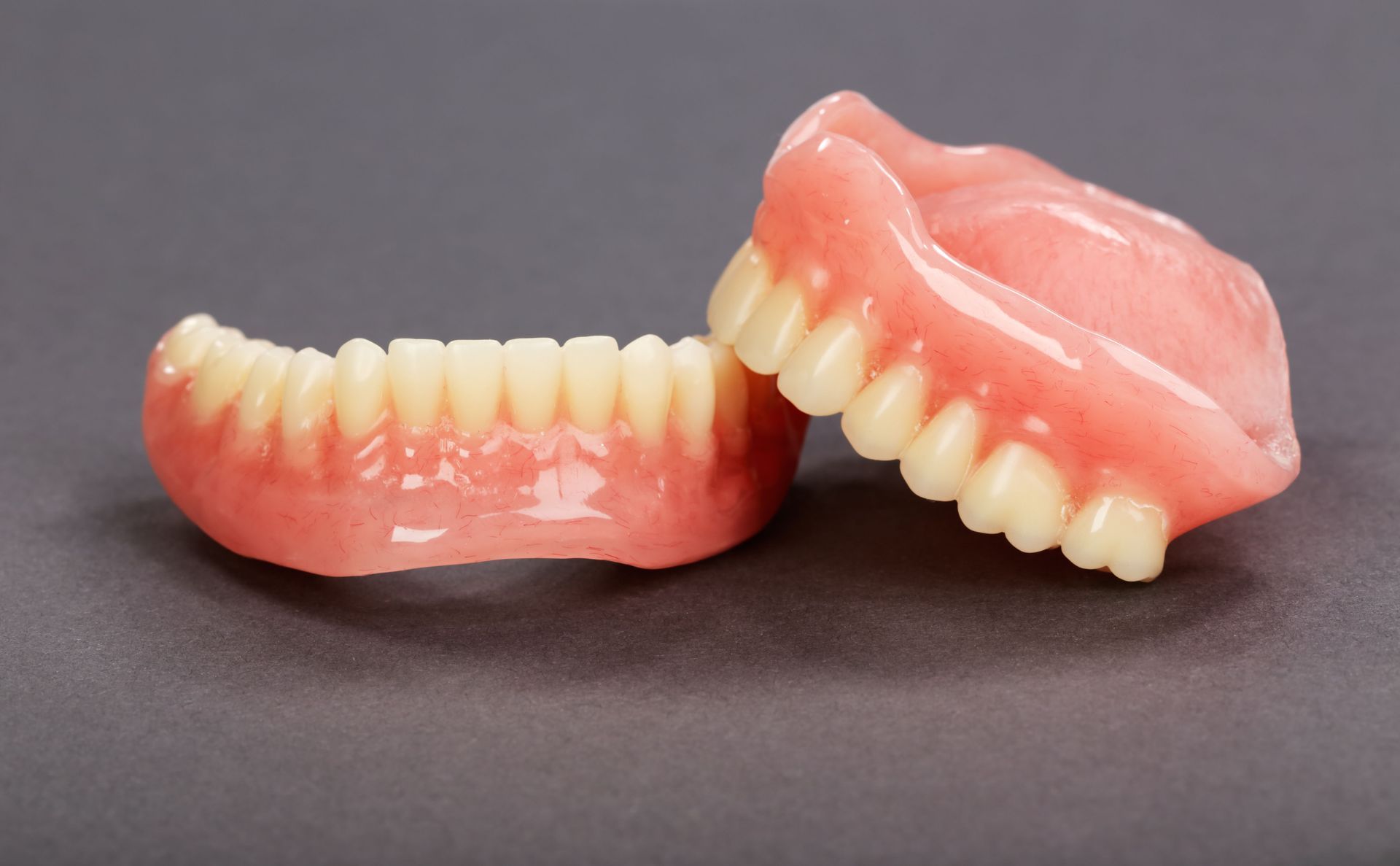
Depending on the patient’s needs, options such as dental implants, bridges, or dentures may be considered. A dentist can evaluate the condition of the mouth and discuss available restorative solutions. The recommended approach depends on the patient’s overall oral health and treatment goals.
Evaluate Additional Restorative Options
Not every damaged tooth requires the same type of treatment. Depending on the extent of the damage, a dentist may recommend restorative procedures that preserve as much healthy tooth structure as possible. Careful evaluation helps determine which approach is appropriate for each situation.
Seek Prompt Professional Evaluation
Although symptoms may occasionally improve for a short time, an infected tooth generally will not heal on its own. Delaying treatment may allow the infection to worsen and reduce the likelihood of preserving the natural tooth. Seeking professional evaluation when symptoms appear can help identify the cause of the problem.
Compare Treatment Options
Every dental condition is different, making a thorough examination an important first step in treatment planning. Factors such as the amount of remaining tooth structure, the extent of infection, and long-term oral health goals can influence which treatment option is recommended. Understanding these factors helps patients make informed decisions about their care.
For root canal treatment and other dental care options, Barrington Smiles provides personalized evaluations and restorative services to help patients maintain healthy, functional smiles. The dental team can discuss available solutions based on each patient’s needs. Scheduling an evaluation is an important first step toward addressing concerns and protecting oral health.