November 2, 2026
Root canal therapy remains one of the most vital interventions in contemporary dentistry, offering patients a reliable pathway to resolve severe internal dental infections while saving their natural teeth from extraction. When deep dental decay, repeated restorative procedures, or unforeseen physical trauma compromises the central pulp chamber of a tooth, the resulting inflammation produces acute discomfort and threatens adjacent anatomical structures. Modern root canal services have evolved dramatically beyond historical misperceptions, utilizing advanced diagnostic tools, micro-endodontic instruments, and targeted local anesthetics to ensure patient care is efficient and remarkably comfortable. Preserving natural dental architecture maintains jawbone density, ensures normal chewing efficiency, and preserves natural smile aesthetics, making timely clinical intervention an essential investment in lifelong systemic and oral health.
Despite the proven clinical value of saving compromised dentition, broader economic and healthcare trends continue to reshape overall patient utilization across the nation. According to the American Association of Endodontists, endodontic treatment volume among commercially insured patients analyzed by Fluent Research declined 5.7% in 2025, following a 2.3% decline the previous year. This statistical trend emphasizes both advances in preventative oral health awareness and the ongoing need to educate individuals on identifying critical dental warnings before minor internal decay evolves into severe, irreversible alveolar bone loss. Demystifying endodontic care empowers patients to recognize early symptoms, understand each procedural milestone, and proactively seek professional assistance before bacterial contamination jeopardizes their oral comfort and overall systemic wellness.
Understanding the Anatomy of Tooth Pulp Damage
To appreciate the necessity of endodontic treatment, one must first examine the multi-layered anatomical composition of a healthy human tooth. Beneath the hard exterior mineral enamel and the supportive dentin layer lies the dental pulp, a specialized biological chamber containing vital nerves, blood vessels, and connective tissues responsible for nourishment and sensory perception during tooth maturation. While the outer enamel and dentin shields protect this soft interior core against everyday masticatory forces and bacterial penetration, untreated cavities or micro-fractures can breach these outer boundaries. Once harmful oral pathogens access the sterile pulp chamber, the living vascular tissue becomes irreversibly inflamed, leading to necrosis, localized abscess formation, and excruciating nerve pain.
The primary objective of timely root canal services is to eliminate bacterial colonies and infected tissue directly from these intricate internal canals before destructive pathogens migrate into surrounding periodontal ligaments and supporting jawbone structures. Left untreated, a necrotic pulp becomes a breeding ground for aggressive anaerobic bacteria, prompting chronic periapical lesions, facial swelling, and potentially life-threatening systemic infections that enter the bloodstream. Professional endodontic intervention methodically debrides, chemically irrigates, and hermetically seals the hollowed interior canal pathways with biocompatible sealants. This targeted therapeutic procedure not only eradicates localized infection and halts persistent pain, but it also allows the patient to retain their fully functional natural tooth root structure within the dental arch.
Recognizing the Symptoms and Causes of Internal Infection
Identifying the progressive symptoms of dental pulp distress is paramount for securing timely intervention and avoiding emergency dental extractions. Severe, unprovoked throbbing pain—especially discomfort that intensifies when lying down or applying biting pressure—serves as an initial warning of advancing pulp inflammation. Another classic indicator is prolonged thermal sensitivity, characterized by sharp or lingering discomfort that persists long after hot or cold liquids leave the oral cavity. Patients may also observe localized gingival edema, darkening or gray discoloration of the affected tooth enamel, or the emergence of a recurring pustule along the gum line, which indicates active purulent drainage from an underlying root abscess.
These debilitating physiological symptoms stem from diverse clinical etiologies, with deep dental decay representing the most prevalent contributor in everyday restorative practice. When dental plaque produces acidic byproducts that degrade hard enamel and underlying dentin structures, opportunistic oral microorganisms gradually migrate into the central pulp chamber. Furthermore, traumatic sports injuries, vehicle impacts, or chronic nocturnal bruxism can introduce micro-fissures across enamel surfaces, allowing oral fluids and destructive bacteria to bypass external dental defenses without obvious surface decay. Severe coronal cracks and fractured cusps similarly compromise pulpal vitality over extended periods, requiring qualified clinicians to perform specialized root canal services to stabilize structural integrity and restore daily masticatory comfort.
Executing the Precision Endodontic Procedure
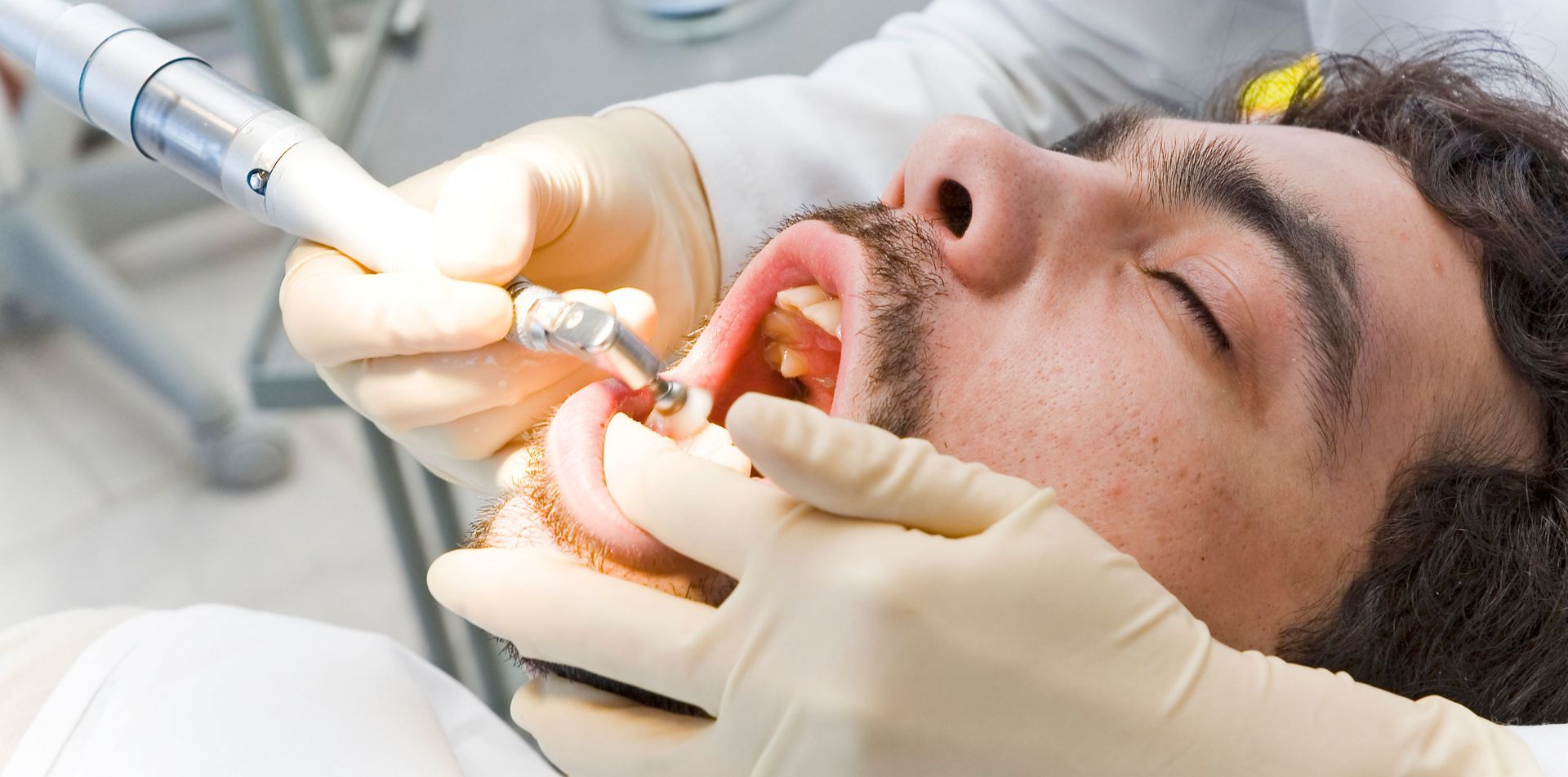
Undergoing a modern endodontic procedure involves a systematic, highly regimented sequence of clinical stages designed to maximize patient comfort and optimize long-term clinical prognoses. The appointment commences with the administration of localized anesthesia to numb the operative site and ensure that the patient experiences no sharp physical discomfort. The dental practitioner then isolates the target tooth using a sterile protective dental dam, which prevents oral saliva from introducing secondary bacteria into the operating field while shielding surrounding mucosal tissues from antiseptic rinses. Using precision magnification, the practitioner carefully creates an access portal through the coronal biting surface to visualize the internal pulp chamber and root canal orifices.
Once interior canal paths are exposed, the clinician employs miniature nickel-titanium rotary files alongside ultrasonic irrigation systems to debride infected pulpal tissue and shape the interior root pathways. Antimicrobial solutions circulate continuously throughout the microscopic canal complexities, neutralizing deep bacterial reservoirs that manual instruments cannot reach. After the canals are dried, the specialist fills and seals the sterile root system using a flexible, biocompatible material known as gutta-percha combined with adhesive resin cements to block future bacterial invasion. A temporary protective composite seal is then placed over the coronal opening, completing the primary phase of root canal services and preparing the tooth for permanent structural restoration.
Integrating Technological Innovations in Modern Endodontics
Technological advancements have revolutionized endodontic practice, elevating procedural accuracy while dramatically minimizing patient treatment time in the dental chair. High-resolution cone-beam computed tomography provides three-dimensional radiographic imagery of the patient's maxillofacial skeleton, revealing intricate root curvatures, hidden extra canals, and subclinical bone loss that traditional flat X-rays frequently fail to capture. High-powered surgical operating microscopes illuminate the operating field with exceptional visual clarity, granting practitioners the visual acuity required to navigate microscopic canal bifurcations without removing excessive amounts of healthy structural dentin, thereby maintaining the natural mechanical durability of the tooth structure.
In addition to advanced diagnostic imaging, modern dental clinics utilize specialized apex locators and computerized rotary endodontic handpieces to ensure flawless mechanical precision during canal navigation. Electronic apex locators utilize electrical resistance differentials to pinpoint the exact apical terminus of each root canal, preventing over-instrumentation into adjacent bone tissues. Concurrently, thermal obturation technologies deliver warm, injectable filling materials that flow effortlessly into lateral canal branches, achieving an airtight, three-dimensional seal throughout the interior root structure. These cutting-edge technologies reduce postoperative inflammation, accelerate recovery timelines, and establish root canal services as predictable, minimally invasive solutions for safeguarding oral health.
Managing Post-Treatment Recovery and Restoration
Following the completion of endodontic intervention, patients transition into an uncomplicated recovery phase focused on managing mild tissue tenderness and completing final tooth restoration. Because the periodontal ligament surrounding the treated tooth root may remain temporarily inflamed from the infection and instrumentation, mild discomfort is common during the initial days after treatment. This temporary sensitivity is typically managed with standard over-the-counter anti-inflammatory analgesics such as ibuprofen or acetaminophen. Patients are instructed to practice gentle brushing around the treated quadrant and to avoid chewing hard foods on the isolated tooth until a definitive permanent restoration is securely bonded in place.
Securing a custom dental crown represents the vital concluding step necessary to safeguard a root canal-treated tooth over decades of functional use. Because the removal of internal vascular pulp tissue and old restorative fillings leaves coronal tooth enamel brittle and susceptible to structural fracturing, an indirect crown restoration restores normal occlusion, load-bearing resistance, and visual appeal. Postponing this final restorative phase jeopardizes clinical success, as chewing forces can crack unreinforced cusps or compromise temporary seals, inviting reinfection into the root canals. By pairing initial root canal services with timely, high-quality crown placement, patients protect their smile investment and enjoy fully functional, infection-free natural dentition for the rest of their lives.
Selecting an experienced dental provider ensures your family receives gentle, technologically advanced endodontic treatment tailored to your long-term oral wellness and comfort. If you are experiencing sudden tooth sensitivity, severe chewing discomfort, or lingering pain that interrupts your daily routine, schedule a thorough diagnostic evaluation before internal infection progresses. For comprehensive dental examinations, compassionate care, and restorative root canal services, contact Barrington Smiles to book your personalized consultation today.